You Don’t Need to Hit the Entire Grid to Bring It Down
Security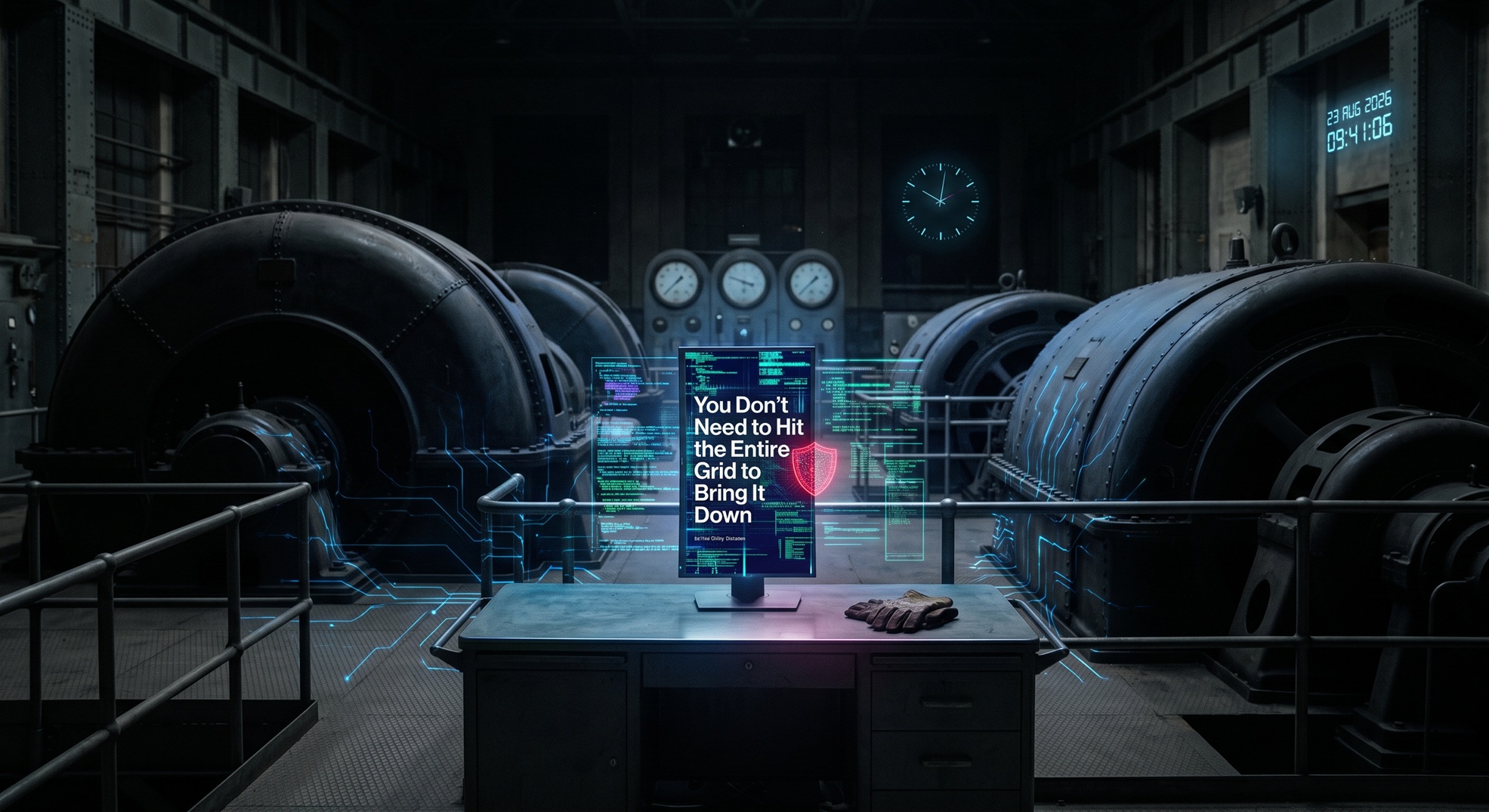
A state-sponsored cyberattack recently took a UK power plant offline for four days.
The immediate public takeaway was that national grid stability wasn’t impacted because the plant was small. But anyone who works with power systems knows that’s a dangerous way to look at it.
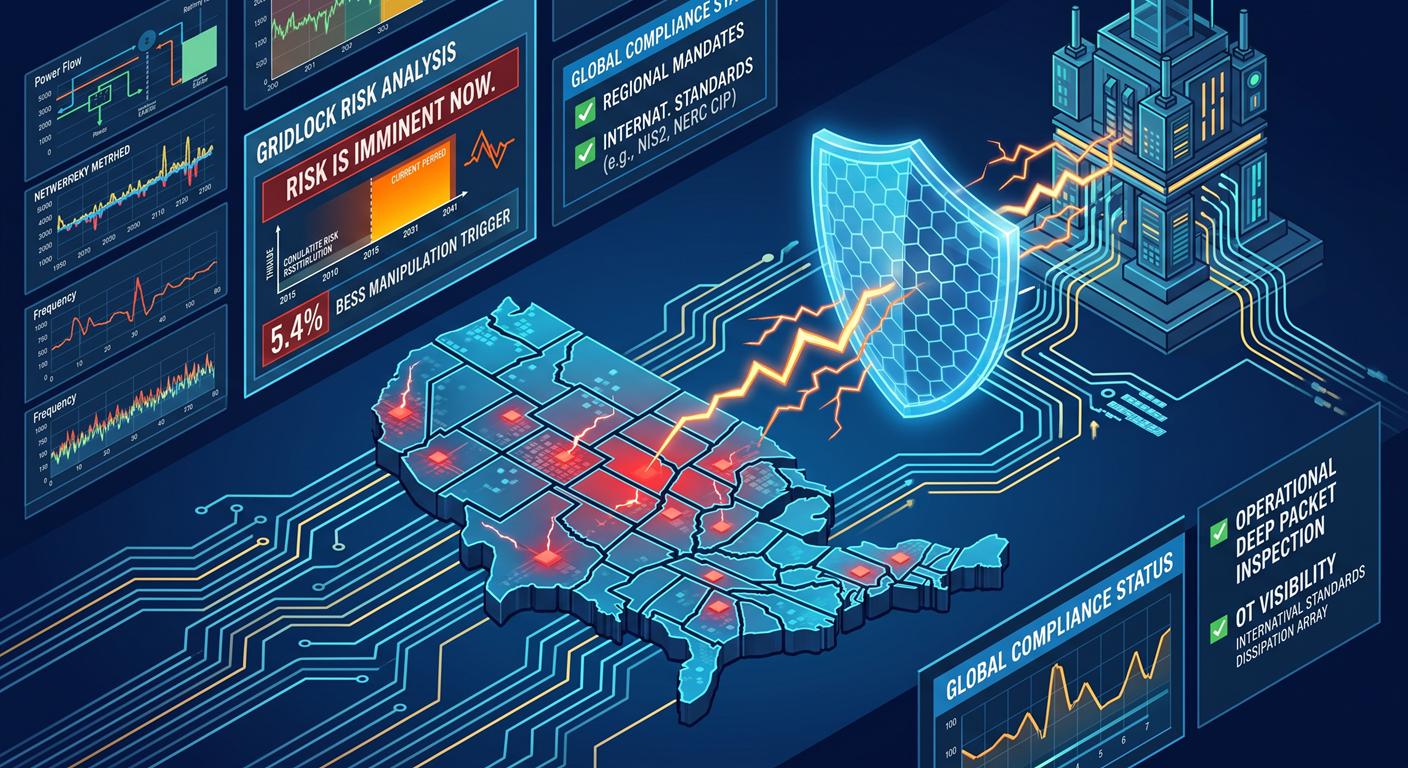
To disrupt a power grid, you don’t need to hit massive transmission hubs. Our systems are tightly coupled - small, synchronized disruptions across edge generation or distributed assets can quickly trigger cascading failures across an entire balancing area.
Adversaries understand this. They also know that smaller generation sites, peaking units, and distributed assets rarely have the budgets for dedicated OT security teams or heavy, multi-tool security stacks. The scarcity of specialized OT cybersecurity talent is real, and smaller operators simply don’t have the luxury of hiring a room full of experts or managing complex, manual toolsets.
Securing the grid as generation decentralizes can't depend on adding more manual labor or expecting smaller sites to run enterprise-scale security departments.
It requires understanding risks directly within the electrical and operational context of the plant - and doing it with unified visibility and automated detection that operators can actually run without friction.
If we want a resilient grid, we have to make advanced operational risk detection practical for all generation assets, not just the massive ones.