The "Manual Mode" Illusion: Why the Grid's Favorite Fallback is Failing Us
Security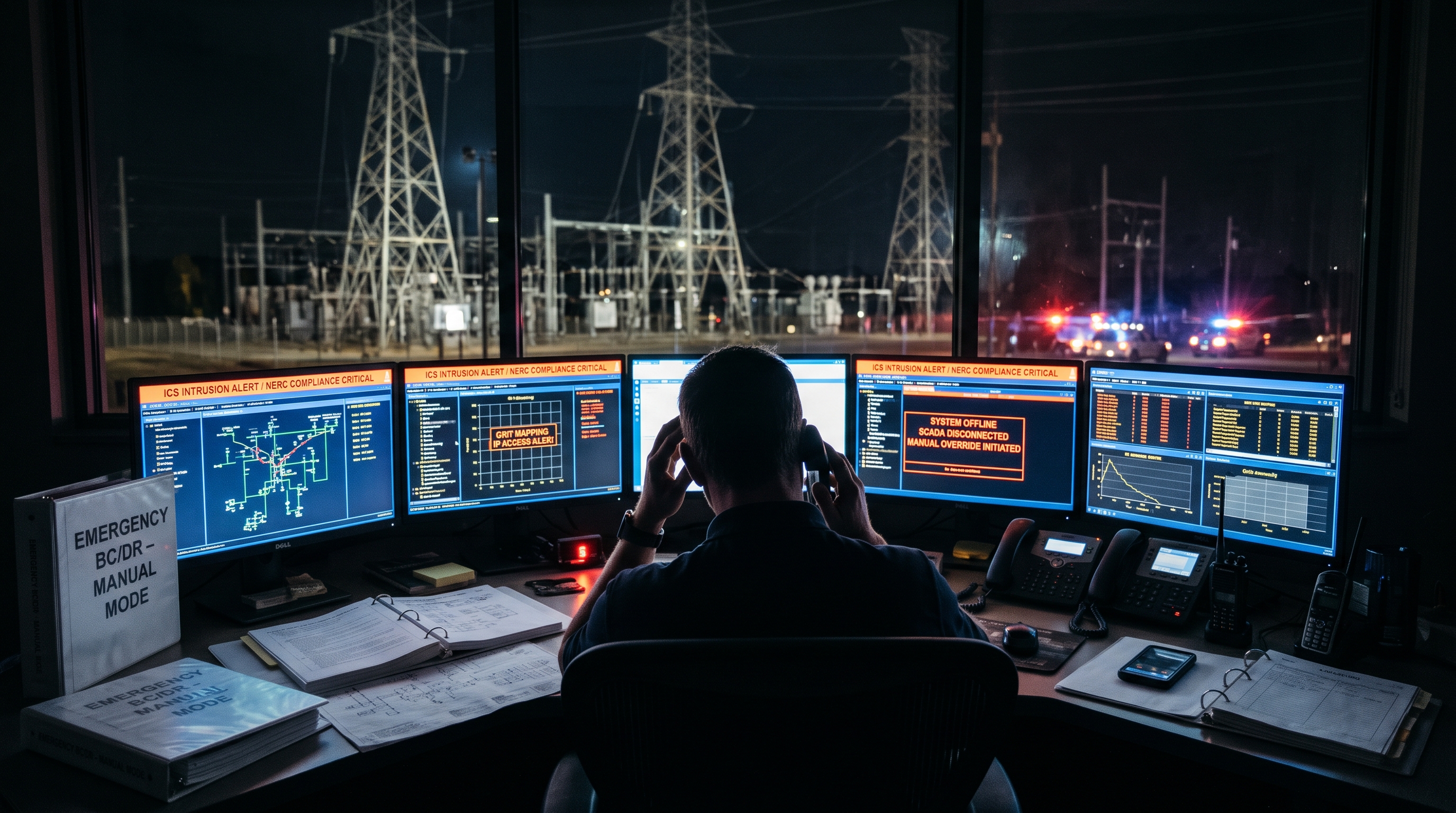
Thenewly released 2026 SANS State of ICS/OT Security Survey delivers a soberingreality check for anyone managing critical infrastructure. We are looking atthe largest single-year jump in reported industrial cyber incidents in thesurvey’s history, with 34% of respondents suffering an attack. The days oftreating industrial cyber threats as isolated IT headaches are over. Astaggering 72% of these incidents resulted in facility or system downtime,and safety impacts nearly doubled compared to last year. Cyber risk is nowundeniably a physical, operational risk.
Asan industry, we often comfort ourselves with the idea of a "manualmode" fallback - thebelief that if the digital systems go down, operators can manually step in andkeep the power flowing. The data shatters that illusion. Only 15% of surveyedorganizations are confident they can sustain manual operations for more than 48hours without their centralized control systems. Even more concerning, 40%simply do not know if their manual operations would hold. An untestedassumption is not a capability, and hoping things will work out is not a validincident response strategy.
Thesurvey points directly to the root of the problem: a massive industry resourcegap. A full 68% of respondents admit they face severe operational risk if justone or two veteran employees walk out the door. We are relying on theundocumented institutional knowledge of a handful of experts assingle-point-of-failure infrastructure. We cannot hire our way out of thistalent crunch. There are simply not enough OT cybersecurity experts in theworld to manage the sprawling, fragmented security tools that currently plagueenergy environments.
Thepath forward requires a fundamental shift in how we secure operationalnetworks. The SANS report highlights that dedicated ICS/OT platforms are nowthe number one way industrial incidents are discovered, catching 38% of them.Yet, with 43% of organizations citing budget constraints as the primary barrierto expanding this critical visibility, we have to rethink the return oninvestment. We must stop forcing utility operators to manually bridge the gapbetween abstract network anomalies and physical realities.
The industry needs agentless, automated platforms builtexclusively for the realities of the power grid. By mappingcybersecurity risks and regulatory compliance requirements directly tooperational grid impacts, we can eliminate the heavy manualworkloads that burn out our limited workforce. When we deploy technology thatunderstands the physical context of the grid out-of-the-box, we drasticallyreduce the cost and complexity of security operations. True resilience isn'tabout throwing more scarce consultants at a problem; it's about deployingsmart, purpose-built systems that let our operators focus on what they do best - keeping the grid runningsafely and reliably.